Valley of the Kings tour is the main topic of this guide. The Valley of the Kings is not one tomb but a large royal necropolis with different tombs open at different times. A successful visit is about choosing a manageable number of tombs, understanding the ticket structure and leaving enough time for the wider West Bank.
What you see at the Valley of the Kings
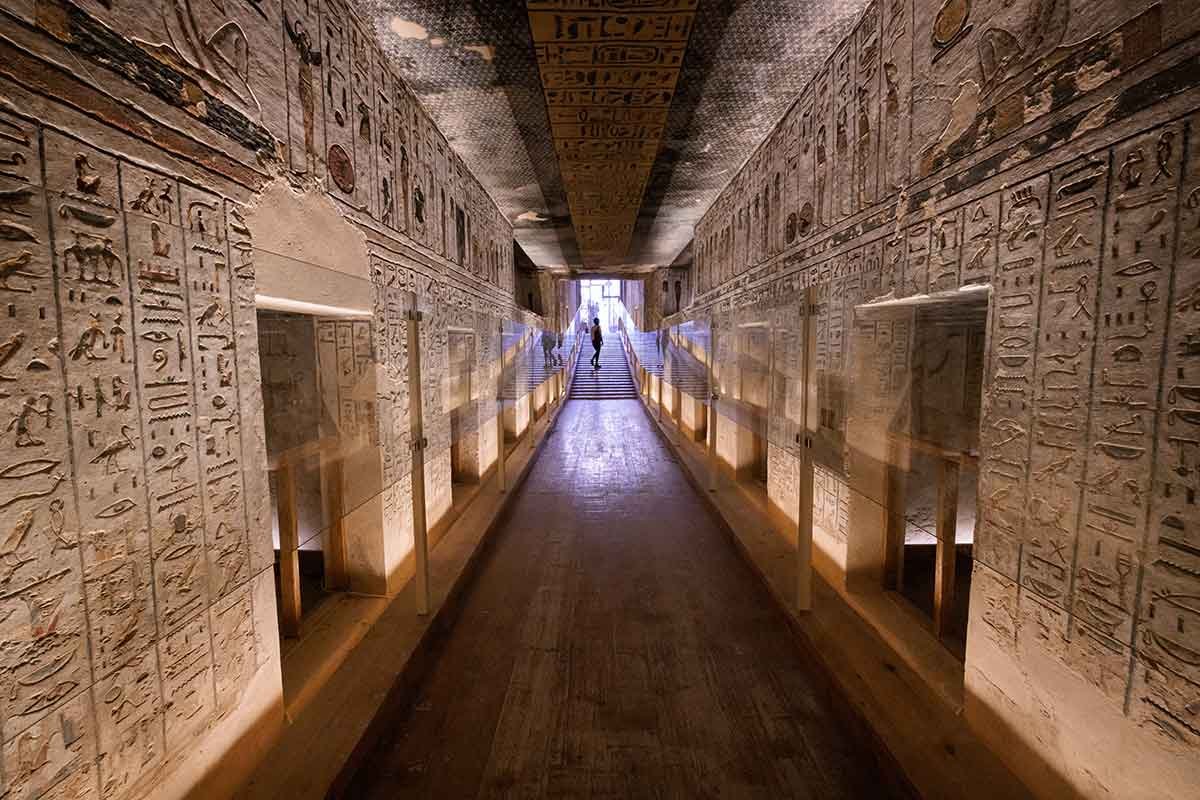
The valley contains rock-cut tombs created for New Kingdom pharaohs and elites. Decoration varies greatly, which is why visiting several tombs gives a better sense of ancient funerary beliefs than rushing through only the most famous name.
How tickets usually work
General admission commonly covers a selection of open tombs, while some special tombs may have separate tickets. Exact access, prices and open tombs can change, so verify current information at the site or through your licensed guide rather than relying on an old blog post.
How much time should you allow?
For a first visit, allow enough time to enter multiple tombs without sprinting between them. Heat and stairs can make the experience more tiring than the map suggests.
Combine the Valley with Hatshepsut Temple
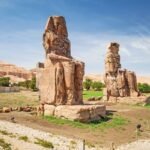
The Luxor West Bank private tour combines the Valley of the Kings with Hatshepsut Temple and the Colossi of Memnon, creating a logical half-day route.
Photography and preservation
Rules for photography can vary by tomb and over time. Follow the current signage and staff instructions. Avoid touching painted surfaces and keep bags close in narrow passages.
Best time of day
Early morning is usually the most comfortable approach, particularly in hotter months. It also leaves the rest of the day free for Hatshepsut Temple, Medinet Habu or an East Bank visit.
How many Upper Egypt experiences belong in one day?
The answer for Valley of the Kings tour depends on the size of each site. Karnak and the Valley of the Kings can each absorb significant time, while a viewpoint or the Colossi of Memnon can be a shorter stop. Do not judge the day by the number of names on the itinerary.
If you are deeply interested in archaeology, fewer sites with more guide time may be more satisfying than a long list. If you mainly want an overview, a full-day private route can efficiently cover the core highlights.
Connect sightseeing to your Nile journey
Luxor and Aswan are the natural endpoints of most Upper Egypt cruises. If your cruise already includes the standard city sightseeing, use hotel days for experiences that are not duplicated onboard: Dendera, Abydos, a balloon flight, Nubian culture or an extra museum.
This is why checking the exact Nile cruise itinerary before booking separate city tours can save both time and money.
Plan for walking and uneven surfaces
Even when a vehicle handles transfers for Valley of the Kings tour, temple courtyards, tomb entrances and archaeological paths can involve significant walking. Use supportive shoes and pace the day realistically, especially for older travelers or anyone with mobility concerns.
Ask the operator about accessibility before booking a site-heavy itinerary.
How to fit this into a wider Upper Egypt itinerary
Luxor and Aswan work best as connected destinations rather than isolated city breaks. A classic route spends dedicated time in each city and uses a Nile cruise or private transfer between them. If you are also visiting Cairo, place the domestic flight at the start or end of the Upper Egypt section to avoid unnecessary backtracking.
Continue planning your Egypt trip
If this guide answers one part of your planning, continue with Karnak Temple and Luxor Temple: Complete Visitor Guide and Luxor Hot Air Balloon Guide: Sunrise Over the Valley of the Kings. These related guides are designed to help you move from research to a practical itinerary without repeating the same information.
Plan it with Saray El Nile
Saray El Nile is based in Luxor and focuses on private tours, Nile journeys and transfers across Egypt. For this topic, useful booking pages include Luxor tours, Best of Luxor full-day private tour and Luxor West Bank tour. Check the live product page for current availability, inclusions and pricing before confirming.
A good Egypt itinerary leaves enough time for the major monuments while also allowing for transfers, check-in, meals and rest. If you need a tailored combination, use the relevant tour or transfer page as the starting point and build the rest of the route around it.
Frequently asked questions
How many tombs can you visit?
This depends on the current ticket and which tombs are open. Check the official ticket information on the day of your visit.
Is Tutankhamun’s tomb always included?
Do not assume so. Special tomb access can require a separate ticket and rules can change.
Do you need a guide inside every tomb?
Guiding rules inside tombs can be restricted; your Egyptologist can explain context before entry and throughout the wider site.
Can I combine the Valley of the Kings with Karnak?
Yes in a full-day Luxor itinerary, usually with private transport between the West and East Banks.
Use early starts strategically
For Valley of the Kings tour, an early start is valuable when a site is exposed to the sun or when the day includes a long road journey. Valley of the Kings, Dendera/Abydos and Abu Simbel are all experiences where timing affects comfort. Later hours can work well for Luxor Temple, a felucca ride or a slower museum visit. Ask your guide to sequence the day around season, opening times and your pace.
For archaeological sightseeing, ticket policies and opening arrangements can change. Use the article as a planning framework, then confirm current access, optional tomb tickets and pickup timing close to travel. A private guide can also adjust the order of visits when crowds, weather or local operating conditions make another sequence more sensible.
Quick planning checklist
- Group Luxor sightseeing by East Bank and West Bank.
- Check current opening and ticket arrangements before travel.
- Start exposed archaeological sites earlier when practical.
- Allow realistic road time for Dendera, Abydos or Abu Simbel.
- Carry water, sun protection and a small day bag.
- Leave room for a Nile or museum break between major site days.
This checklist keeps Valley of the Kings tour practical rather than rushed. Upper Egypt rewards travelers who give the major complexes time, so it is usually better to visit fewer places well than to race through every possible stop in one day.
Before you confirm
Before setting the day for Valley of the Kings tour, confirm the pickup point, guide language and whether entrance tickets are included or paid on site. If the itinerary connects with a cruise, train or flight, tell the operator about that fixed departure in advance. This gives the guide or driver enough context to design a realistic finish time without sacrificing the main visit.