Egypt is one of the world’s most fascinating travel destinations, combining ancient history, natural beauty, vibrant culture, and unforgettable adventures. From the legendary pyramids and magnificent temples to peaceful Nile towns, desert landscapes, and beautiful Red Sea beaches, Egypt offers something for every type of traveler.
Whether you are visiting Egypt for the first time or returning to discover more of its treasures, these 25 best places to visit in Egypt will help you plan an unforgettable journey through the Land of the Pharaohs.
1. Cairo
Cairo is one of the best places to begin an Egypt adventure. The capital combines ancient monuments, museums, historic neighborhoods, and lively markets.
The city provides easy access to the Pyramids of Giza and the Great Sphinx, while attractions such as the Grand Egyptian Museum, Old Cairo, and Khan El Khalili Bazaar offer different perspectives on Egyptian history and culture.
Visitors can spend several days exploring Cairo’s archaeological treasures, sampling traditional Egyptian food, shopping for souvenirs, and experiencing the energy of one of the world’s largest cities.
2. Giza
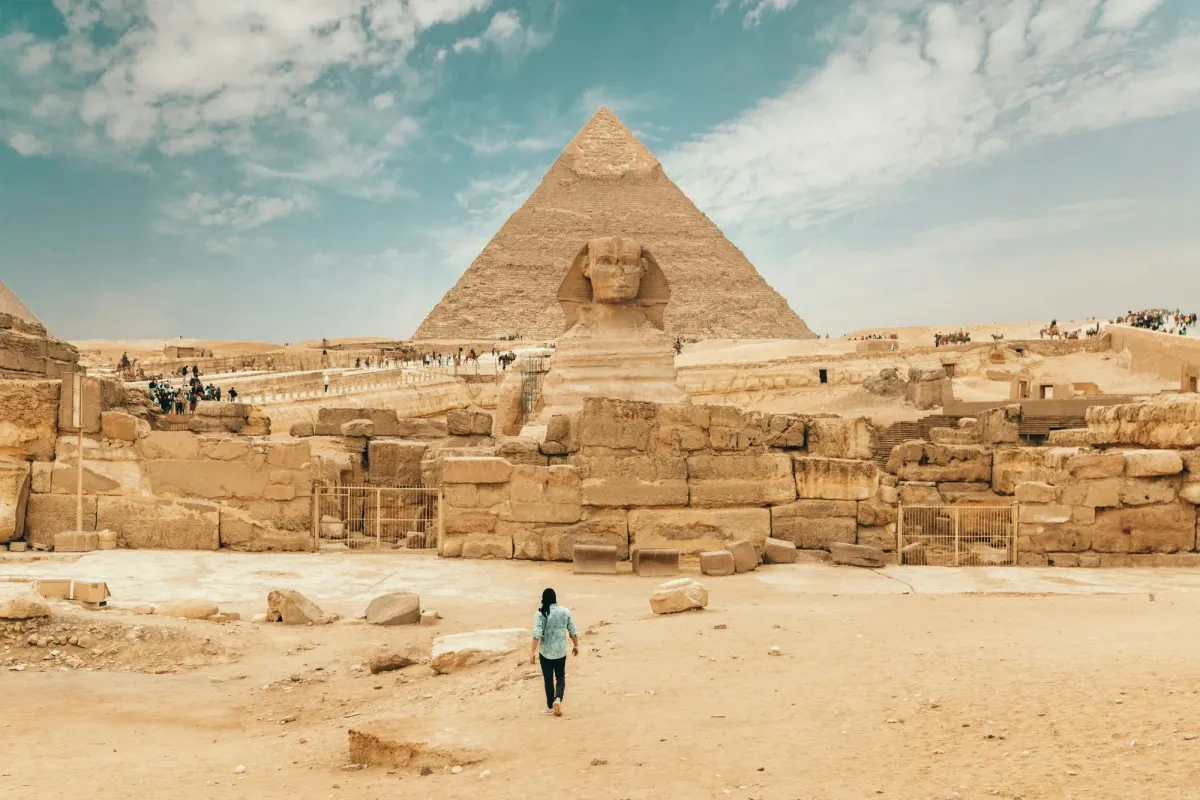
Located just outside central Cairo, Giza is home to one of the most famous archaeological landscapes on Earth. The Giza Plateau contains the Great Pyramid of Khufu, the Pyramid of Khafre, the Pyramid of Menkaure, and the Great Sphinx.
The Great Pyramid is the only surviving wonder of the ancient Seven Wonders of the World. Exploring the plateau allows visitors to appreciate the scale and engineering achievements of ancient Egyptian civilization.
A visit around sunrise or sunset can provide beautiful lighting and excellent photography opportunities.
3. Saqqara
Saqqara is one of Egypt’s most important archaeological sites and is famous for the Step Pyramid of Djoser. Built during the Third Dynasty, the pyramid represents an important stage in the development of Egyptian monumental architecture.
The surrounding necropolis contains tombs, pyramids, temples, and beautifully decorated burial chambers. Exploring Saqqara gives travelers a deeper understanding of how ancient Egyptian architecture developed before the construction of the Great Pyramid.
4. Dahshur
For travelers looking for ancient pyramids away from the larger crowds, Dahshur is an excellent choice. The area is home to the Bent Pyramid and the Red Pyramid, two important monuments in the history of pyramid construction.
The Bent Pyramid shows an early attempt to develop a true smooth-sided pyramid, while the Red Pyramid represents a more advanced stage of pyramid design.
A visit to Dahshur can easily be combined with Saqqara and Giza on a full-day archaeological tour from Cairo.
5. Alexandria
Located on Egypt’s Mediterranean coast, Alexandria offers a completely different atmosphere from Cairo and Upper Egypt. The city combines ancient history, Mediterranean scenery, cultural attractions, and a lively coastal atmosphere.
Popular places to visit include the Bibliotheca Alexandrina, Citadel of Qaitbay, Catacombs of Kom El Shoqafa, and Pompey’s Pillar. Walking along the Corniche is another enjoyable way to experience the city’s seaside character.
Alexandria is ideal for travelers who want to combine Egyptian history with Mediterranean culture.
6. Luxor
Luxor is one of the best destinations in Egypt for exploring ancient history. Often described as the world’s greatest open-air museum, Luxor is filled with temples, tombs, statues, and archaeological sites on both sides of the Nile.
The city’s highlights include Karnak Temple, Luxor Temple, the Valley of the Kings, and the Temple of Hatshepsut. Travelers can also enjoy a traditional felucca ride or experience Luxor from above during a sunrise hot-air-balloon flight.
For history enthusiasts, Luxor is an essential stop on almost any Egypt itinerary.
7. Valley of the Kings
The Valley of the Kings is one of the most famous archaeological sites in Egypt. Located on Luxor’s West Bank, the ancient cemetery contains the tombs of numerous pharaohs and important royal figures.
The site is particularly famous for the tomb of Tutankhamun, whose discovery became one of the most celebrated archaeological discoveries in history.
Inside the tombs, visitors can see colorful paintings and inscriptions depicting ancient Egyptian beliefs about death and the afterlife.
8. Karnak Temple
Karnak Temple is one of the largest religious complexes ever constructed. Built and expanded by generations of ancient Egyptian rulers, the complex contains enormous columns, obelisks, courtyards, statues, and sacred spaces.
The Great Hypostyle Hall is one of its most impressive features, with massive columns covered in detailed inscriptions.
A visit to Karnak reveals the extraordinary architectural and religious achievements of ancient Egypt.
9. Luxor Temple
Located in the heart of modern Luxor, Luxor Temple is particularly impressive in the evening when its ancient structures are illuminated.
The temple was closely associated with the ancient Egyptian royal cult and connected to Karnak by the Avenue of Sphinxes. Visitors can admire massive statues, columns, reliefs, and monumental gateways while learning about the religious importance of ancient Thebes.
10. Dendera
Located near Qena, north of Luxor, Dendera is home to one of the best-preserved temple complexes in Egypt. The Temple of Hathor is famous for its detailed reliefs, enormous columns, and astronomical decorations.
The beautifully preserved interior allows visitors to appreciate the craftsmanship of ancient Egyptian artists. Dendera is an excellent addition to an itinerary for travelers who want to explore important temples beyond the most famous sites in Luxor.
11. Abydos
Abydos was one of ancient Egypt’s most important religious centers and was strongly associated with Osiris, god of the afterlife.
The Temple of Seti I is the site’s most famous monument and contains some of the finest reliefs and inscriptions in Egypt. The temple’s detailed artwork and peaceful surroundings make Abydos particularly appealing to travelers interested in ancient Egyptian religion and history.
12. Aswan
Aswan offers a relaxed atmosphere surrounded by beautiful Nile scenery. The city is known for its islands, traditional feluccas, Nubian culture, and historic monuments.
Visitors can explore the Temple of Philae, visit Nubian villages, enjoy a boat ride on the Nile, and see the Aswan High Dam.
Aswan is an excellent destination for travelers who want to combine ancient history with nature and local culture.
13. Temple of Philae
The Temple of Philae is one of Aswan’s most beautiful attractions. Dedicated primarily to the goddess Isis, the temple complex stands on Agilkia Island and is surrounded by the waters of the Nile.
Reaching the temple by boat makes the visit especially memorable. The combination of ancient architecture, river scenery, and island landscapes creates a unique experience.
14. Abu Simbel
Abu Simbel is one of Egypt’s most spectacular archaeological destinations. The two massive rock-cut temples were commissioned by Ramses II and are famous for their enormous statues and detailed carvings.
The temples were relocated in the 1960s to protect them from the rising waters of Lake Nasser following the construction of the Aswan High Dam.
A visit to Abu Simbel is an unforgettable experience and is often included as an excursion from Aswan.
15. Kom Ombo
Kom Ombo is home to a unique temple overlooking the Nile. Unlike many ancient Egyptian temples, it was dedicated to two deities: Sobek, the crocodile god, and Horus the Elder.
The temple has a distinctive symmetrical design, detailed reliefs, and fascinating inscriptions. Its location along the Nile makes it a popular stop for travelers taking a Nile cruise between Aswan and Luxor.
16. Edfu
Edfu is famous for the Temple of Horus, one of the best-preserved ancient temples in Egypt. Its monumental entrance, massive pylons, detailed inscriptions, and large interior halls provide an excellent example of ancient Egyptian temple architecture.
Edfu is one of the most popular stops on a Nile cruise between Luxor and Aswan and offers travelers an opportunity to explore an exceptionally well-preserved temple.
17. Hurghada
Hurghada is one of Egypt’s most popular Red Sea destinations. The city combines sandy beaches, modern resorts, clear waters, and a wide range of water and desert activities.
Visitors can go snorkeling and diving, enjoy boat trips to nearby islands, try water sports, or take a desert safari.
Hurghada is a great choice for travelers who want to relax after exploring Egypt’s archaeological attractions.
18. Marsa Alam
Located farther south along the Red Sea, Marsa Alam offers a quieter coastal experience than some of Egypt’s larger resort cities.
The area is known for clear waters, coral reefs, colorful marine life, and excellent diving and snorkeling opportunities. Visitors may encounter sea turtles and explore some of the Red Sea’s beautiful underwater environments.
Marsa Alam is especially attractive to travelers looking for nature, diving, snorkeling, and peaceful beaches.
19. Sharm El Sheikh
Located on the Sinai Peninsula, Sharm El Sheikh is one of Egypt’s best-known beach destinations. The resort city offers beautiful beaches, luxury hotels, restaurants, water sports, and world-class diving.
Its location also provides access to natural attractions such as Ras Mohammed National Park, making Sharm El Sheikh a popular destination for travelers seeking both relaxation and adventure.
20. Siwa Oasis
Siwa Oasis provides a completely different Egyptian travel experience. Located in the Western Desert, Siwa is known for palm groves, natural springs, salt lakes, sand dunes, and distinctive local traditions.
Visitors can explore the oasis, swim in salt lakes, visit historic sites, take desert excursions, and experience the unique culture of the local Siwan community.
Siwa is an excellent destination for travelers looking to explore Egypt off the beaten path.
21. White Desert
The White Desert is one of Egypt’s most unusual natural attractions. Located in the Western Desert near Farafra Oasis, the area is famous for its strange white limestone formations shaped by wind and erosion.
The landscape becomes especially spectacular at sunset, when the changing light creates dramatic shadows across the desert. Many travelers combine a visit with a desert safari and overnight camping beneath the stars.
22. Bahariya Oasis
Bahariya Oasis is surrounded by palm trees, natural springs, and golden desert landscapes. It is one of the main gateways to the White Desert and other Western Desert attractions.
Travelers can explore the oasis, visit natural springs, experience desert safaris, and spend a night camping beneath the stars.
For adventure seekers, Bahariya is an excellent place to experience Egypt’s desert landscapes.
23. Wadi El Hitan – Valley of the Whales
Wadi El Hitan, or the Valley of the Whales, is a remarkable UNESCO World Heritage Site in Egypt’s Western Desert. The area contains exceptionally preserved fossils of ancient whales that lived in the region millions of years ago.
These fossils provide important evidence of the evolutionary transition of whales from land-dwelling mammals to marine animals.
The site’s remote desert setting makes the experience especially memorable for travelers interested in geology, natural history, and unusual destinations.
24. Red Sea Coast
Beyond major resort cities such as Hurghada, Marsa Alam, and Sharm El Sheikh, Egypt’s Red Sea coast offers countless opportunities for swimming, snorkeling, diving, and boat trips.
The warm waters are home to colorful coral reefs and diverse marine life. Travelers can discover secluded beaches, offshore islands, and underwater landscapes while enjoying Egypt’s beautiful coastline.
For beach lovers and underwater enthusiasts, the Red Sea is one of the country’s greatest natural attractions.
25. Nubian Villages in Aswan
The Nubian villages near Aswan provide one of the best opportunities to experience local culture in southern Egypt. Their colorful houses, traditional architecture, crafts, and welcoming communities offer a different perspective on Egyptian life.
Travelers can reach the villages by boat along the Nile and explore the streets on foot. A visit provides opportunities to learn about Nubian traditions, enjoy local hospitality, and experience the peaceful atmosphere of the Nile.
Best Time to Visit Egypt
The best time to visit most of Egypt is generally from October to April, when temperatures are more comfortable for sightseeing and outdoor activities.
The cooler months are particularly suitable for exploring Cairo, Giza, Luxor, Aswan, and the Western Desert. The Red Sea resorts can be visited throughout much of the year, although temperatures and weather conditions vary by season.
If you plan to visit several destinations during one trip, booking transportation, domestic flights, Nile cruises, and guided tours in advance can make your journey much easier.
What to Pack for Your Egypt Trip
When visiting Egypt, travelers should prepare for sunny weather, long days of sightseeing, and occasional desert excursions. Useful items include:
- Comfortable walking shoes
- Lightweight and breathable clothing
- Sunscreen
- Sunglasses
- A hat or sun protection
- Reusable water bottle
- Camera or smartphone
- Light jacket for cooler evenings
- Swimwear for Red Sea destinations
- Personal medications
If you are visiting archaeological sites or traveling through desert areas, comfortable footwear and adequate sun protection are especially important.
How Many Days Do You Need to Visit Egypt?
The ideal length of an Egypt trip depends on how many destinations you want to explore. A short trip of 5 to 7 days can cover Cairo, Giza, and Luxor, while a 10 to 14-day Egypt itinerary allows travelers to combine Cairo, Luxor, Aswan, Abu Simbel, and a Red Sea destination.
Travelers with more time can add Alexandria, Siwa Oasis, the Western Desert, or additional Nile cruise experiences.
Final Thoughts
Egypt offers an extraordinary variety of travel experiences within a single country. Ancient pyramids, royal tombs, magnificent temples, peaceful Nile landscapes, vibrant cities, desert oases, and crystal-clear Red Sea waters all form part of Egypt’s unique character.
From the Pyramids of Giza and the temples of Luxor to the remote landscapes of Siwa and the White Desert, every destination offers something different.
Whether you are interested in ancient history, Egyptian culture, adventure, nature, diving, beaches, or relaxation, these 25 places provide an excellent starting point for discovering Egypt.
If you are planning your first trip to Egypt, combining Cairo, Luxor, Aswan, and a Red Sea destination is an excellent way to experience several sides of the country in one unforgettable journey.





Nemo enim ipsam voluptatem quia voluptas sit aspernatur aut odit aut fugit, sed quia consequuntur magni dolores eos qui ratione voluptatem sequi nesciunt.